English
▼
Press ESC to close
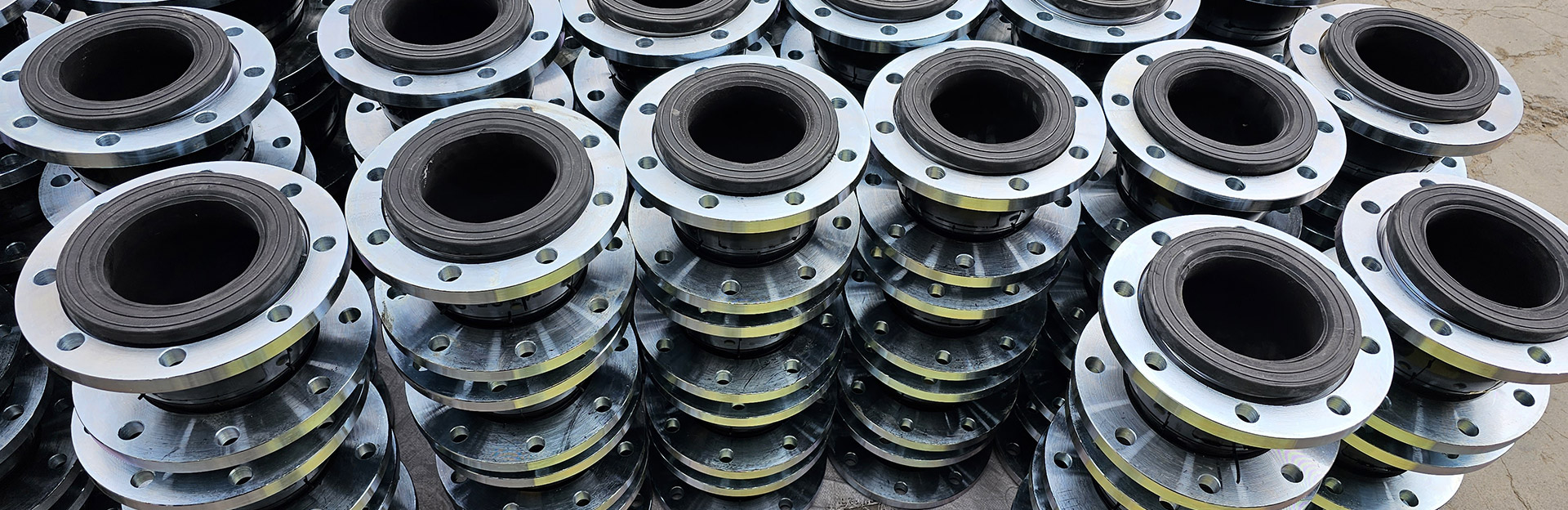
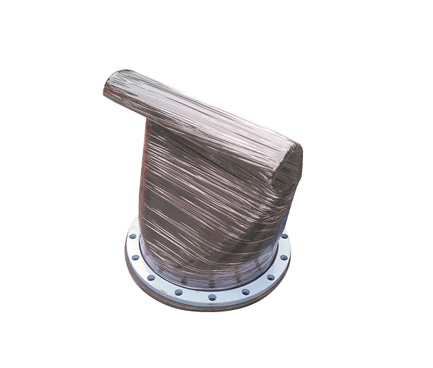
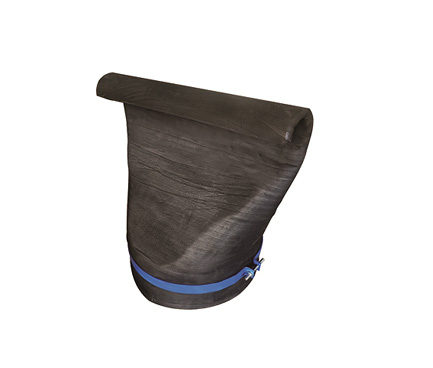
Flanged duckbill check valves are flange-connected, all-rubber flexible check valves that automatically open and close based on pressure difference. They provide forward drainage and zero leakage in reverse flow to prevent backflow. With no moving parts, they are maintenance-free and have a long service life. They are the core check valves for municipal sewage discharge, flood control and drainage, and marine engineering, replacing traditional flap valves.
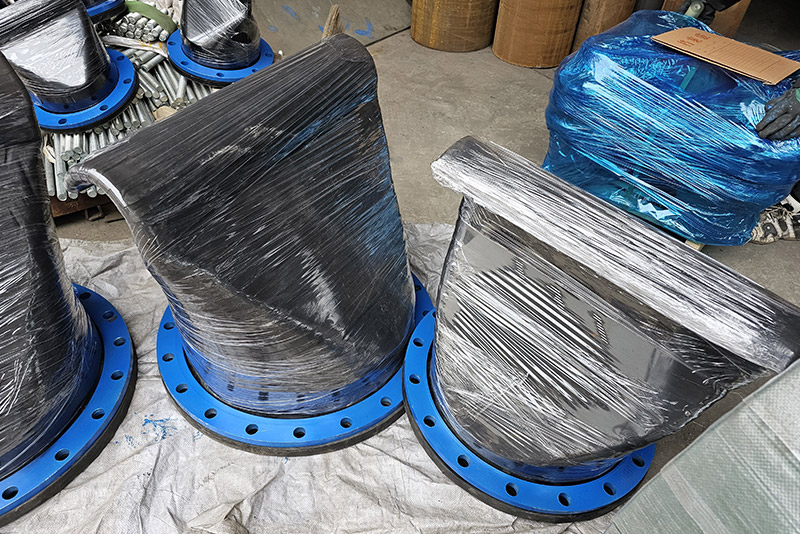
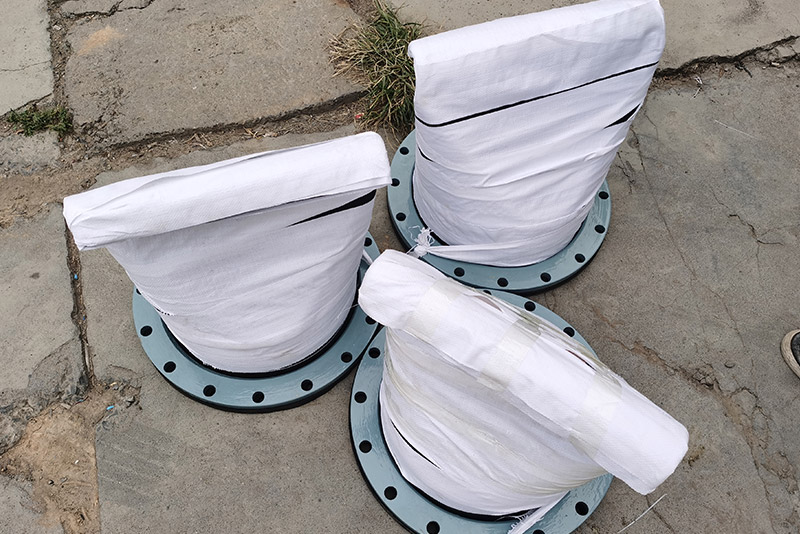
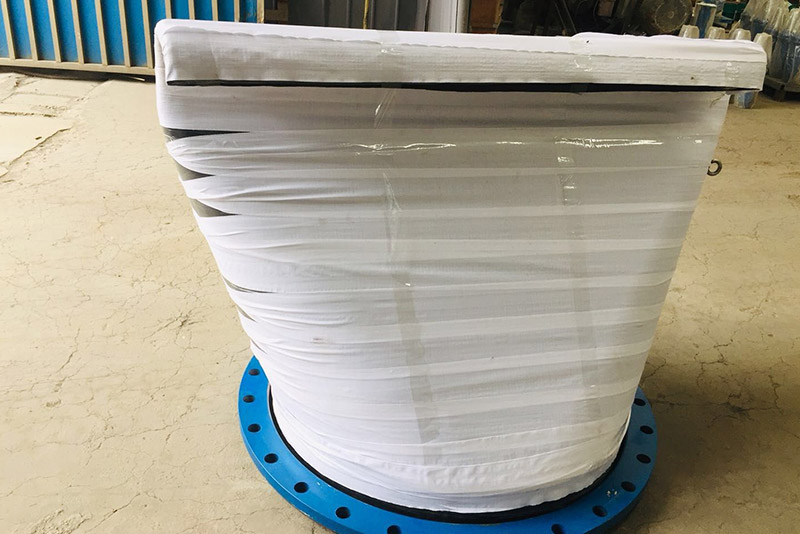
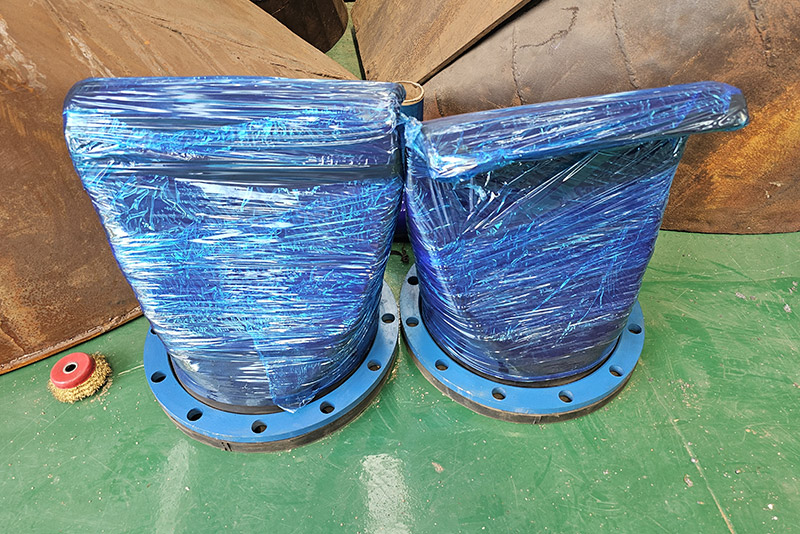
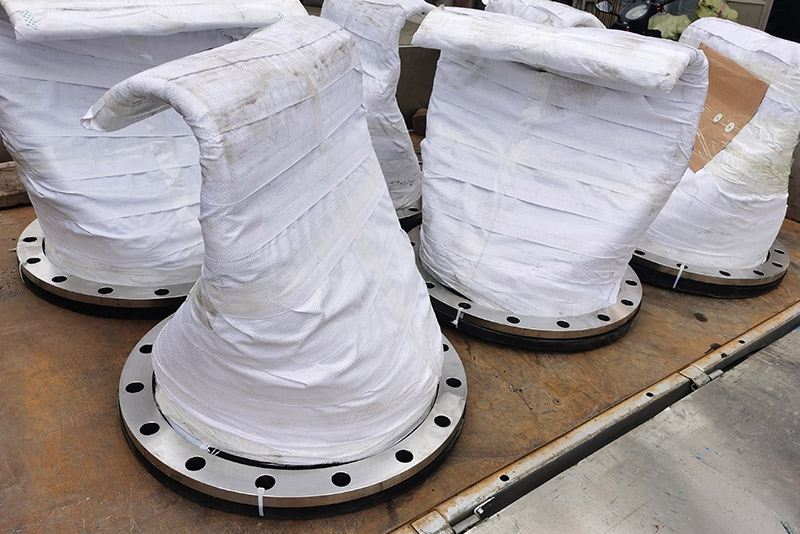
1. Rubber Flange: Integral with the valve body, standard flange hole (PN10/16), for connecting to metal pipes/equipment. The sealing surface is wear-resistant and corrosion-resistant.
2. Valve Body (Rubber Main Body): Neoprene rubber/EPDM/Nitrile rubber, with built-in nylon cord reinforcement, tear-resistant, aging-resistant, and corrosion-resistant.
3. Duckbill Lid: Elastic closing, self-closing without pressure; opens under forward pressure, and the tighter the back pressure, the tighter the seal.
4. Reinforcing Layer: Fiber reinforcement in the middle section of the valve body, preventing deformation and resisting negative pressure, suitable for buried/underwater applications.
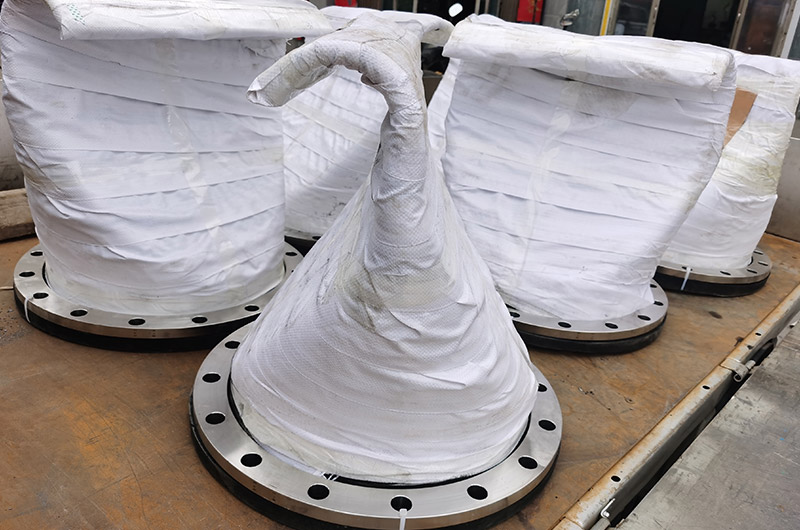
Forward Drainage: When the medium pressure is ≥0.02m water column (200Pa), the lip opens smoothly for drainage; the higher the pressure, the larger the opening and the higher the flow rate.
Backflow Prevention: External back pressure (sewage/seawater backflow) forces the lip to seal tightly; back pressure ≤1.6MPa ensures zero leakage and completely prevents backflow.
Self-Sealing Without Pressure: When water supply is interrupted/there is no flow, the lip automatically closes due to elasticity, isolating odors and preventing debris from entering.
1. Standard Flange Connection: PN10/16 flange, easy to connect and securely fixed, compatible with DN50–DN2000, ideal for buried/high-pressure applications.
2. All-Rubber Maintenance-Free: No mechanical parts, no jamming, no wear; mud/stones/fibers do not affect the seal.
3. Extremely Low Opening Pressure: Only 20mm of water column is required to open, minimal head loss, energy-efficient.
4. Zero Leakage and Backflow Prevention: Resistant to reverse pressure up to 1.6MPa; higher back pressure results in better sealing, solving the problem of flap valve leakage.
5. Strong Corrosion and Weather Resistance: Resistant to acids, alkalis, seawater, and sewage; usable from -40℃ to 80℃; suitable for marine/chemical environments.
6. Quiet and Anti-Clogging: No impact noise during opening and closing; smooth surface, no sedimentation or clogging, allowing smooth passage of particulate media.
1. Municipal sewage/rainwater discharge outlets, flood control and drainage pumping stations, sewage treatment plant effluent. 2. Seaside/dock/reservoir protection against seawater backflow and tidal flow; marine engineering discharge outlets.
3. Pump house/booster pump station outlets, basement/pipeline shaft check valves, and odor barrier.
4. Pipelines containing particulate or fibrous media in chemical/paper/printing and dyeing industries, replacing traditional flap valves/butterfly valves.
4.Buried pipelines, dam discharge, and highway/airport drainage systems.
1. Ensure the pipe flange surface is clean and flat, free of burrs/oil stains. Add rubber gaskets and tighten bolts evenly diagonally.
2. The duckbill opening should face downwards/towards the drainage direction; reverse installation is strictly prohibited. Horizontal/vertical installation is acceptable; for underground installations, allow sufficient space for maintenance.
3. For valves DN≥800, a support bracket is required to prevent valve body sagging and deformation. For underwater installations, the flange must be fixed to prevent swaying.
4. Avoid scratching the rubber flange and valve body with sharp objects during installation, as this will affect the seal.
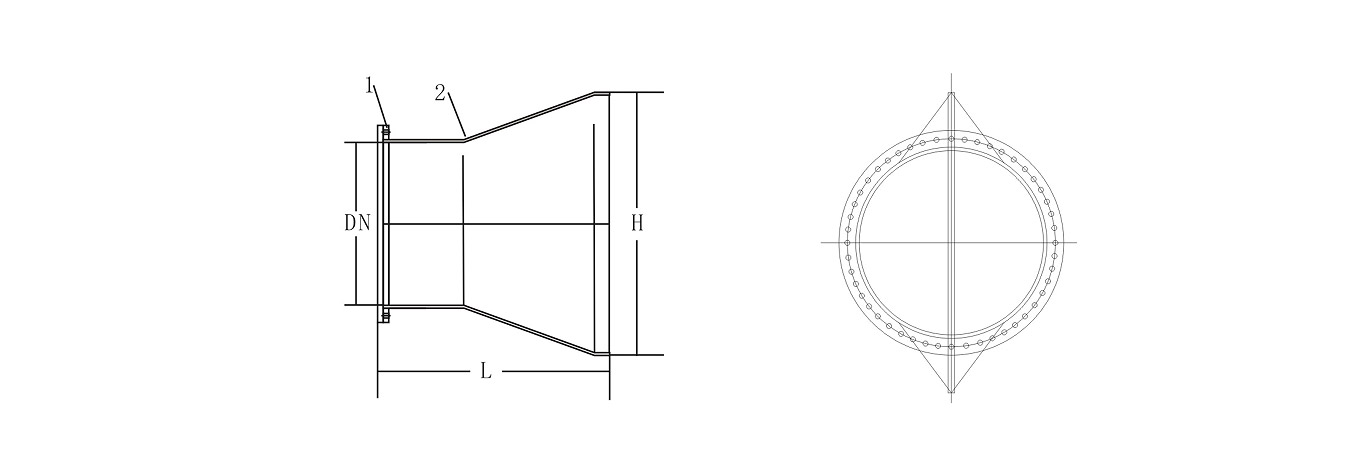
| serial number | name | quantity | Material | Remark |
| 1 | flange | 1 | Q235 | If you have other material requirements, please specify them before placing your order. |
| 2 | valve body | 1 | natural synthetic rubber | |
| Main Applications: Primarily used in waterproofing systems, drainage systems, water pump outlets, booster pump stations, and submersible gas removal systems. Main Features: The rubber flange is integrated with the valve body, making installation extremely convenient. The valve body is made entirely of rubber, preventing sludge buildup and blockages, reducing maintenance costs, and allowing solid particles to pass through smoothly. Material Materials: Neoprene rubber, Hyprone rubber, nitrile rubber, and EPDM rubber, etc. Installation Dimensions and Methods: The XF-F1002 type rubber flexible check valve is made of a rubber flange, valve body, and duckbill body, and includes a gasketed metal flange. It can be naturally connected to a metal flange and directly installed on tanks, pipelines, and dikes. During installation, the flange and connecting flange dimensions should correspond. Waterproof sealant should be applied between the flanges as needed to ensure an absolute seal after tightening. Care should be taken not to damage the flange lip of the rubber drain check valve. |
||||
| serial number | Nominal diameter | high(mm) | duckbill width(mm) |
| 1 | DN50 | 120 | 80 |
| 2 | DN65 | 125 | 95 |
| 3 | DN80 | 145 | 120 |
| 4 | DN100 | 170 | 140 |
| 5 | DN125 | 200 | 160 |
| 6 | DN150 | 200 | 190 |
| 7 | DN200 | 260 | 285 |
| 8 | DN250 | 330 | 350 |
| 9 | DN300 | 320 | 450 |
| 10 | DN350 | 400 | 530 |
| 11 | DN400 | 450 | 580 |
| 12 | DN500 | 580 | 700 |
| 13 | DN600 | 750 | 900 |
| 14 | DN700 | 900 | 950 |
| 15 | DN800 | 920 | 1000 |
| 16 | DN900 | 920 | 1000 |
| 17 | DN1000 | 1200 | 1100 |
| 18 | DN1200 | 1400 | 1200 |