English
▼
Press ESC to close
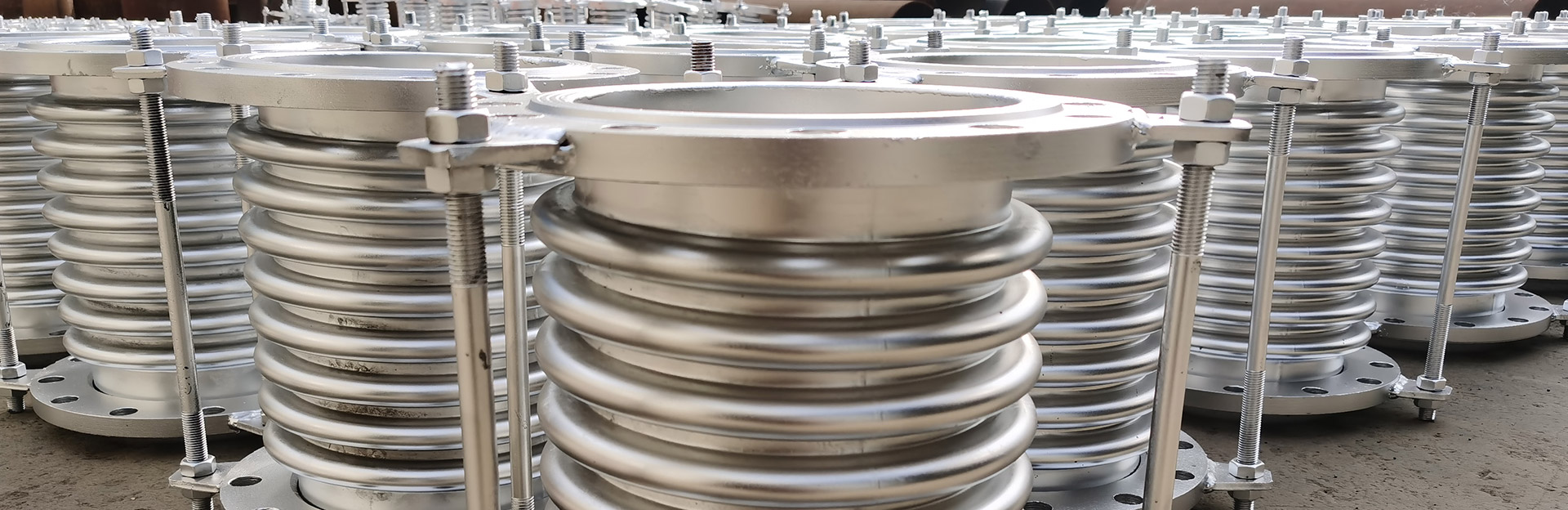
Corrugated expansion joints are core components in industrial pipelines, municipal heating, chemical, water treatment, and energy network systems. They are primarily used to absorb displacement caused by thermal expansion and contraction of pipelines, equipment vibration, foundation settlement, and installation deviations. The accuracy of product selection directly determines the operational safety, sealing stability, and overall service life of the pipeline system.
Given the diverse nature of international engineering projects, complex operating conditions, and stringent acceptance standards, we have compiled globally accepted scientific selection guidelines for corrugated expansion joints, providing a clear reference for overseas project procurement, design, and construction acceptance.
Selection Based on Pipeline Pressure Rating The primary criterion for selection is the actual working pressure of the pipeline system.
The appropriate pressure rating must be matched to the engineering design pressure. Commonly used pressure ratings include PN10, PN16, PN25, and PN40. A safety margin for pressure must be reserved during selection to prevent deformation, leakage, or fatigue damage to the corrugated pipe caused by water hammer pressure or instantaneous impacts, ensuring long-term stable operation under high-pressure conditions.
Selection Based on Medium and Ambient Temperature
Different operating temperatures require different corrugated pipe materials and structural processes.
For ambient temperature water supply and drainage, and general ventilation networks, conventional stainless steel corrugated structures can be used; for high-temperature steam and heating networks, high-temperature resistant multi-layer corrugated pipe structures are required.
III. Matching Materials Based on the Characteristics of the Transported Medium
The type of medium is the core factor determining the product’s corrosion resistance and service life.
For clean water and general industrial water, standard 304 stainless steel can be used; for sewage, seawater, coastal salt spray environments, and acid/alkali chemical media, 316L stainless steel anti-corrosion structure must be used.
Selecting the Structure Type Based on Pipeline Displacement: Pipeline deformation is divided into axial displacement, lateral displacement, angular displacement, and combined displacement. Different working conditions require corresponding compensator structures:
Straight, long-distance pipelines: Use axial corrugated expansion joints to absorb pipeline expansion and contraction.
Foundation settlement and pipeline misalignment projects: Use large tie-rod lateral compensators.
Pipeline bends and corner networks: Use angular hinge compensators.
High-pressure, large-diameter, complex pipeline networks: Use pressure-balanced compensators. Precise structural matching is essential to fully release pipeline stress and prevent equipment and pipeline damage.
Scientifically Calculate Compensation and Reserve a Safety Margin
All international engineering selections follow a unified principle: the actual compensation amount selected must be greater than the theoretical expansion and contraction of the pipeline.
Expansion and contraction displacements are calculated based on pipeline length and temperature differences, with a safety margin of at least 20% reserved to prevent engineering hazards such as insufficient compensation, corrugation jamming, and weld cracking under extreme conditions.
Determine the Connection Structure Based on Installation Method and Working Conditions
Conventional municipal and water supply and drainage projects use flange connections for convenient installation and easy maintenance. High-temperature, high-pressure, and heavy-duty chemical pipelines use welded connections for stronger sealing and higher overall stability.
VII. Universal Quality Requirements for International Projects
Overseas engineering projects have stringent acceptance standards. Standard export-grade corrugated pipe expansion joints must meet the following requirements: full-process water pressure testing, no leakage or deformation, accurate dimensions, and smooth welds.
Summary
The selection of corrugated pipe expansion joints is not simply a matter of comparing diameters, but rather a comprehensive system matching solution considering pressure, temperature, medium, displacement, and installation environment.
Reasonable selection of components, standardized production, and strict quality inspection are key to ensuring the long-term safe, stable, and trouble-free operation of overseas pipeline projects.